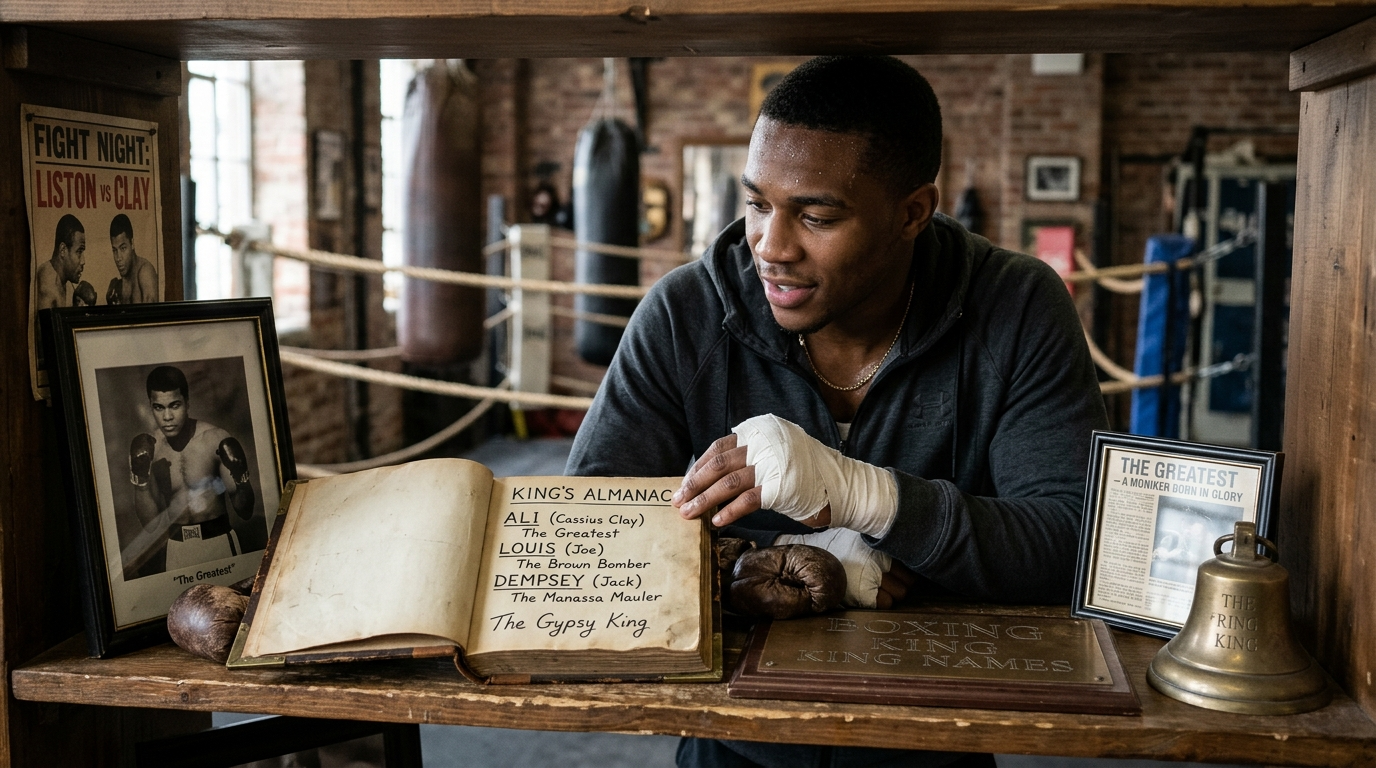
A boxing king name is more than a catchy title; it signals dominance, longevity, and a lasting place in ring history. Fans, writers, and aspiring fighters often search for these nicknames to learn who earned them and why they stuck. This guide covers the most celebrated boxers given royal titles, the stories behind their nicknames, and how a strong ring name can influence a fighter’s reputation. Whether you are researching boxing history or looking for inspiration, you will find clear context on each champion’s achievements.
What Is a Boxing King Name and Where Did It Come From?
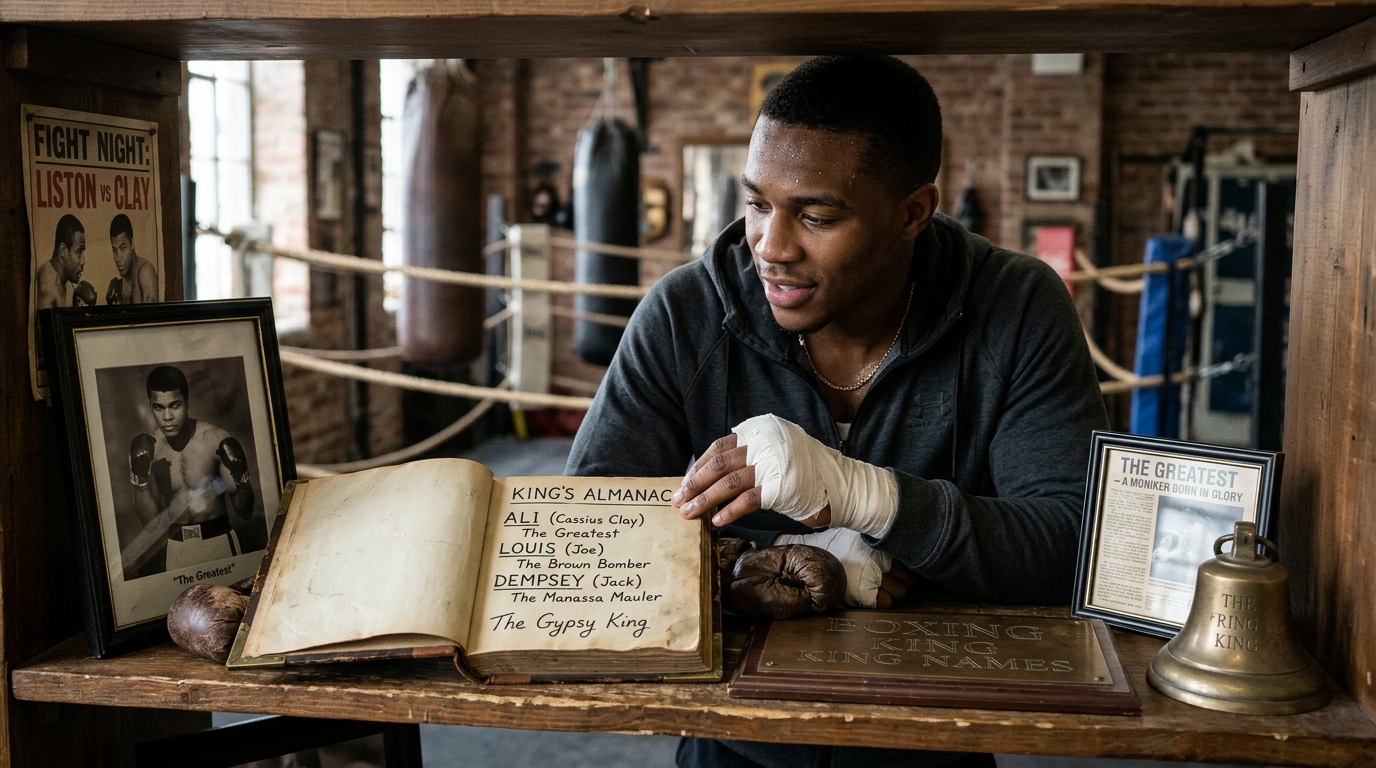
Royal nicknames have long given boxers a memorable identity, and many have become part of the sport’s history. They turn a fighter’s record into a story that fans remember.
Defining Royal Boxing King Ring Names
A royal ring name is a regal or title-based nickname that a boxer uses in public. It often includes words like “King,” “Prince,” “Emperor,” or “Champion.” Some are earned through dominance. Others are chosen by the fighter or a promoter.
Common examples include:
- “The Prince”: Naseem Hamed, known for his flashy style and entrances
- “The Greatest”: Muhammad Ali, who promoted the title as part of his persona
- “The Brown Bomber”: Joe Louis, a nickname that carried national pride
These names work because they signal confidence. They also tell fans what kind of fighter to expect.
How Early Boxing King Titles Evolved From Bare-Knuckle Days
Nicknames in boxing are older than modern gloves and sanctioned rings. In the bare-knuckle era of the 1800s, fighters were often known by their hometown or fighting style. Many were called “champion of England” or “champion of America” based on regional recognition.
As organized rules spread, titles became more formal. Regional strongmen gradually gave way to official weight-class champions. Nicknames grew more colorful as the sport moved into arenas and newspapers.
For example, John L. Sullivan, often called “The Boston Strong Boy,” became one of the first widely celebrated heavyweight champions under the modern glove rules.
Why Media and Promoters Popularized Regal Boxing King Monikers
Newspapers needed catchy headlines. Sportswriters and radio announcers used vivid nicknames to make fights easier to follow and more exciting. Promoters then used those names on posters and tickets.
In addition, a strong nickname sells tickets. A fighter who sounds like royalty feels bigger than the sport itself. As a result, many champions embraced these labels and built them into their brand.
Tip: A nickname spreads fastest when it is short, rhythmic, and easy to shout from a crowd.
Legendary Heavyweights Who Earned the Crown
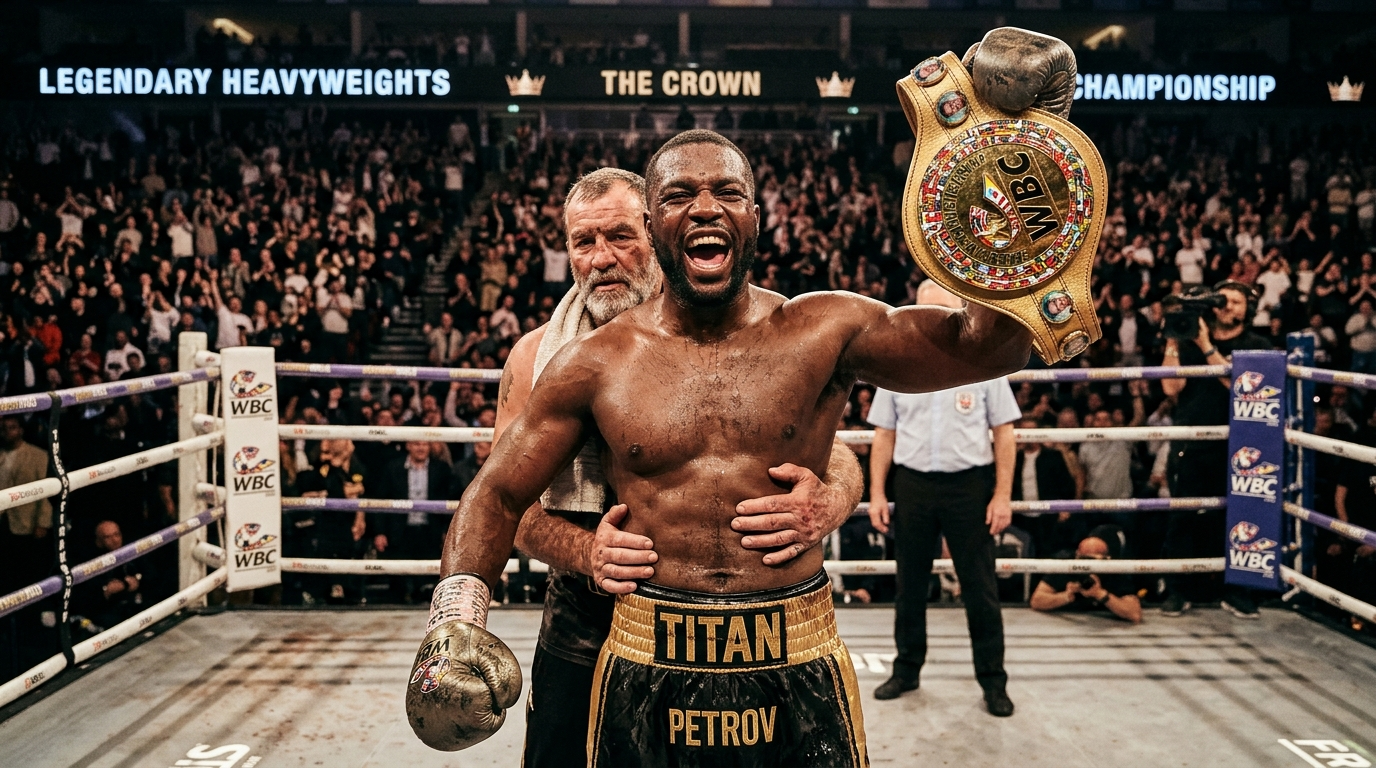
Some heavyweight champions earned their royal titles through dominance, personality, and a lasting reputation. Their nicknames still define them decades later.
Joe Louis and the Brown Bomber Legacy
Joe Louis held the heavyweight title from 1937 to 1949. His nickname, the “Brown Bomber,” reflected his devastating punching power. He also carried a national responsibility during a tense era.
- Record-setting reign: Louis made 25 successful title defenses, a record for heavyweights at the time.
- Historic rematch: In 1938, he defeated Max Schmeling in the first round, a win that many Americans saw as a symbol of strength.
- Lasting influence: His calm, dignified conduct inspired generations of boxers.
Louis showed that a nickname can represent both skill and character.
Muhammad Ali and The Greatest
Muhammad Ali, born Cassius Clay, became one of the most famous athletes in history. He called himself “The Greatest,” and he backed up the boast with action.
- Olympic start: Ali won a gold medal at the 1960 Rome Olympics as a light heavyweight.
- Heavyweight dominance: He won the heavyweight title three separate times.
- Iconic fights: His 1974 “Rumble in the Jungle” against George Foreman and the 1975 “Thrilla in Manila” against Joe Frazier remain legendary.
In addition, Ali’s public voice and personality made his nickname bigger than boxing itself. His confidence became part of his brand.
Evander Holyfield and the Real Deal Reputation
Evander Holyfield earned the “Real Deal” label through consistency, courage, and resilience. He built his reputation across multiple weight classes before becoming a heavyweight champion.
- Multi-division success: Holyfield won a cruiserweight title before moving up to heavyweight.
- Multiple heavyweight reigns: He won the heavyweight championship several times across different eras.
- Memorable victories: His 1996 win over Mike Tyson showed his toughness and ring intelligence.
As a result, the nickname became a symbol of authenticity. Fans trusted him because his performances matched his name.
Tips for Honoring Legendary Boxing King Nicknames
When you write about these champions, keep a few best practices in mind:
- Verify facts: Check dates, title counts, and fight results before publishing.
- Explain the origin: Readers want to know why the nickname was chosen.
- Connect the name to achievements: Link each title to specific wins or career moments.
- Avoid exaggeration: Stick to documented records rather than unsupported claims.
Consequently, your article will feel credible, engaging, and useful to boxing fans.
Boxing King Nicknames Across Weight Classes
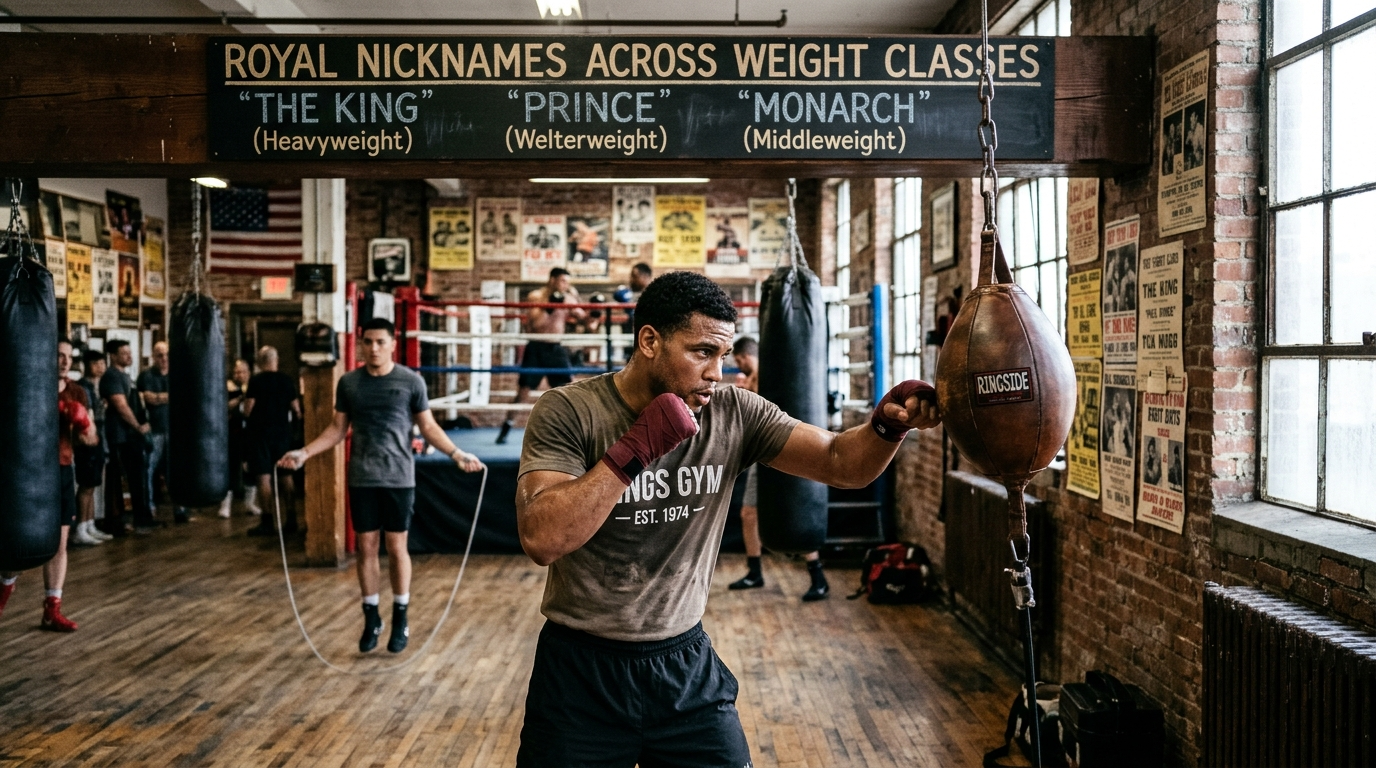
Every weight class has produced fighters who earned a royal nickname. These titles often reflect a fighter’s style, personality, or dominance in the ring. Some stuck for decades, while others faded quickly.
Lightweight and Welterweight Boxing King Titles With Regal Flair
Lighter divisions have given boxing some of its most memorable royal-sounding names. Fighters in these classes often relied on speed, footwork, and technical precision, and their nicknames frequently reflected that flair.
- “The Prince” (Naseem Hamed): The British fighter competed at featherweight and became famous for his flamboyant entrances and bold confidence.
- “Hands of Stone” (Roberto Durán): Durán won titles at lightweight and welterweight. His power earned him a nickname that sounds more like a warrior than a monarch.
Regal names work well in these divisions because fans associate speed and grace with royalty. However, the nickname must match the fighter’s actual performance. A flashy title means little without consistent wins.
Sugar Ray Robinson and the Pound-for-Pound Crown
Sugar Ray Robinson is often called the greatest pound-for-pound fighter in history. He dominated the welterweight division and later won the middleweight title several times. His smooth, almost effortless movement inspired the “Sugar” part of his name.
Robinson’s legacy shows why the pound-for-pound standard matters. Many analysts measure a fighter’s greatness across all weight classes, not only within one division. Robinson’s combination of skill, speed, power, and longevity set a benchmark that later champions are still compared against.
Key takeaways from Robinson’s career:
- He competed successfully in multiple weight classes.
- His nickname reflected his style rather than a title or claim to power.
- His reputation grew over decades, which made the name endure.
Middleweight and Cruiserweight Boxing King Nicknames That Stuck
Middleweight and cruiserweight fighters have also earned lasting nicknames. Their names often came from their personalities or ring habits.
- “Marvelous” Marvin Hagler: The middleweight champion’s nickname captured his charisma and dominant reign in the 1980s.
- “The Executioner” (Bernard Hopkins): Hopkins built a long middleweight reign, and his nickname reflected his clinical finishing style.
- “The Real Deal” (Evander Holyfield): Holyfield won the cruiserweight title before moving up to heavyweight, and his nickname followed him throughout his career.
Tips for Using Weight-Class Nicknames
- Match the style: Choose names that describe how a fighter actually fights.
- Check the record: Titles and wins should support the nickname.
- Consider the division: Lighter classes suit speed-based names, while heavier classes suit power-based names.
How to Choose a Memorable Boxing King Name
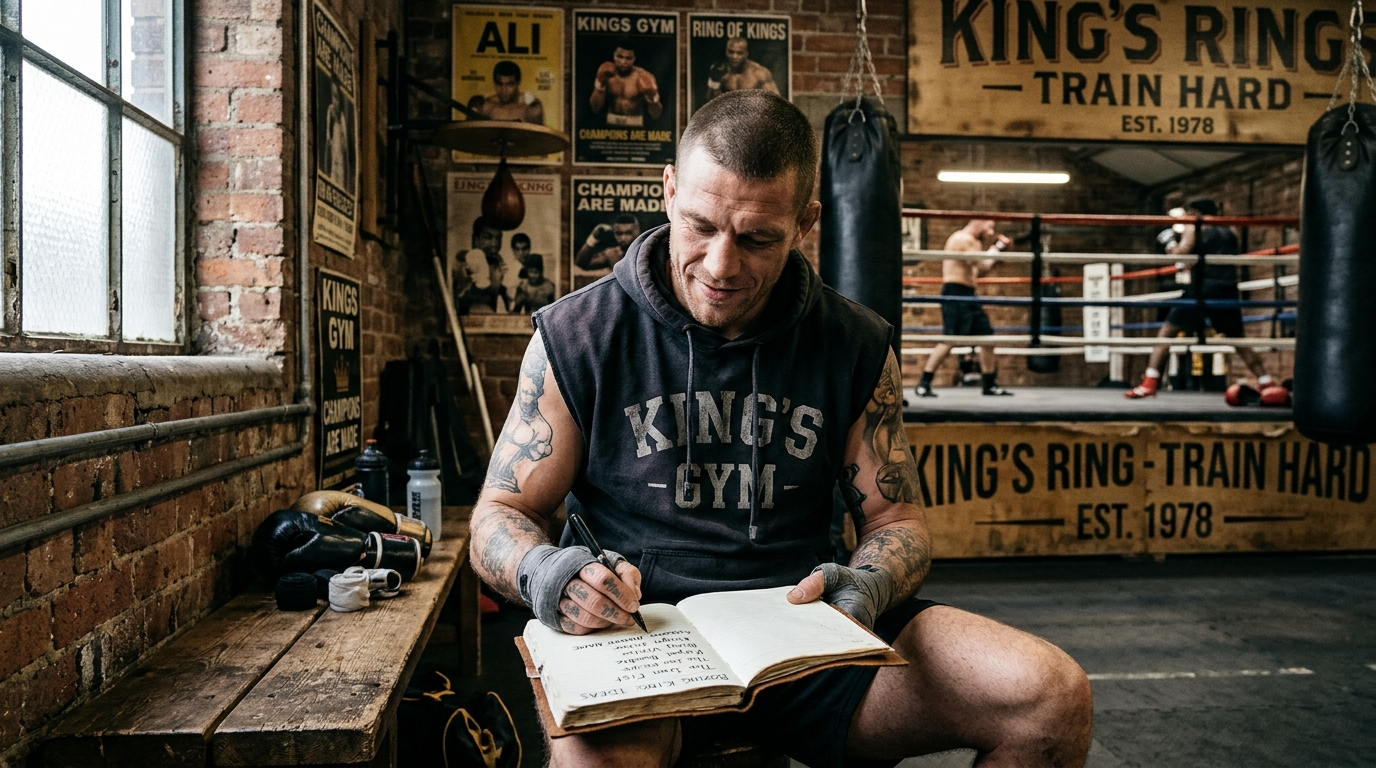
Choosing the right boxing king name can shape how fans remember a fighter for decades. A strong name should feel personal, easy to say, and true to your ring identity.
Reflect Your Personal Style and Strengths
Your nickname should tell fans something real about how you fight. Start by listing your strongest traits. Then find a word or image that captures them.
- Power punchers often suit words like “Hammer,” “Thunder,” or “Bomber.”
- Technical boxers may prefer titles like “Maestro,” “Professor,” or “Surgeon.”
- Relentless pressure fighters can draw on images of storms, engines, or waves.
For example, a fighter known for patient, precise counterpunching could be “The Silent Architect.” This name signals control rather than chaos. As a result, it matches the style and sticks in the mind.
Avoid Trademark Conflicts and Confusing King Names
Famous nicknames are often legally protected. Using one can lead to disputes, lost merchandise revenue, or a forced rebrand. Moreover, a name too close to a legend confuses fans and invites unfair comparisons.
Before committing, run these checks:
- Search the USPTO trademark database for the exact phrase.
- Search the name alongside “boxing” to spot existing fighters.
- Check BoxRec for current or former boxers using similar titles.
- Confirm that matching social media handles are available.
Avoid names such as “Iron Mike” or “Golden Boy,” which are strongly tied to Mike Tyson and Oscar De La Hoya. Therefore, borrowing them can create legal trouble and weaken your own identity.
Build a Boxing King Brand Fans Will Remember
A nickname works best when it becomes part of a consistent identity. Fans should recognize it instantly across ring walks, posters, and social posts. However, consistency matters more than creativity alone.
Practical steps include:
- Use the same name in every interview and broadcast introduction.
- Create a short catchphrase or signature gesture linked to the title.
- Align walkout music, social handles, and merchandise with the name.
- Keep the name short, ideally two or three syllables, so crowds can chant it.
For instance, a one-word crown paired with a signature color scheme makes a fighter easy to spot on any broadcast. Consequently, the name grows from a simple title into a recognizable brand.
Common Mistakes When Using Boxing Nicknames
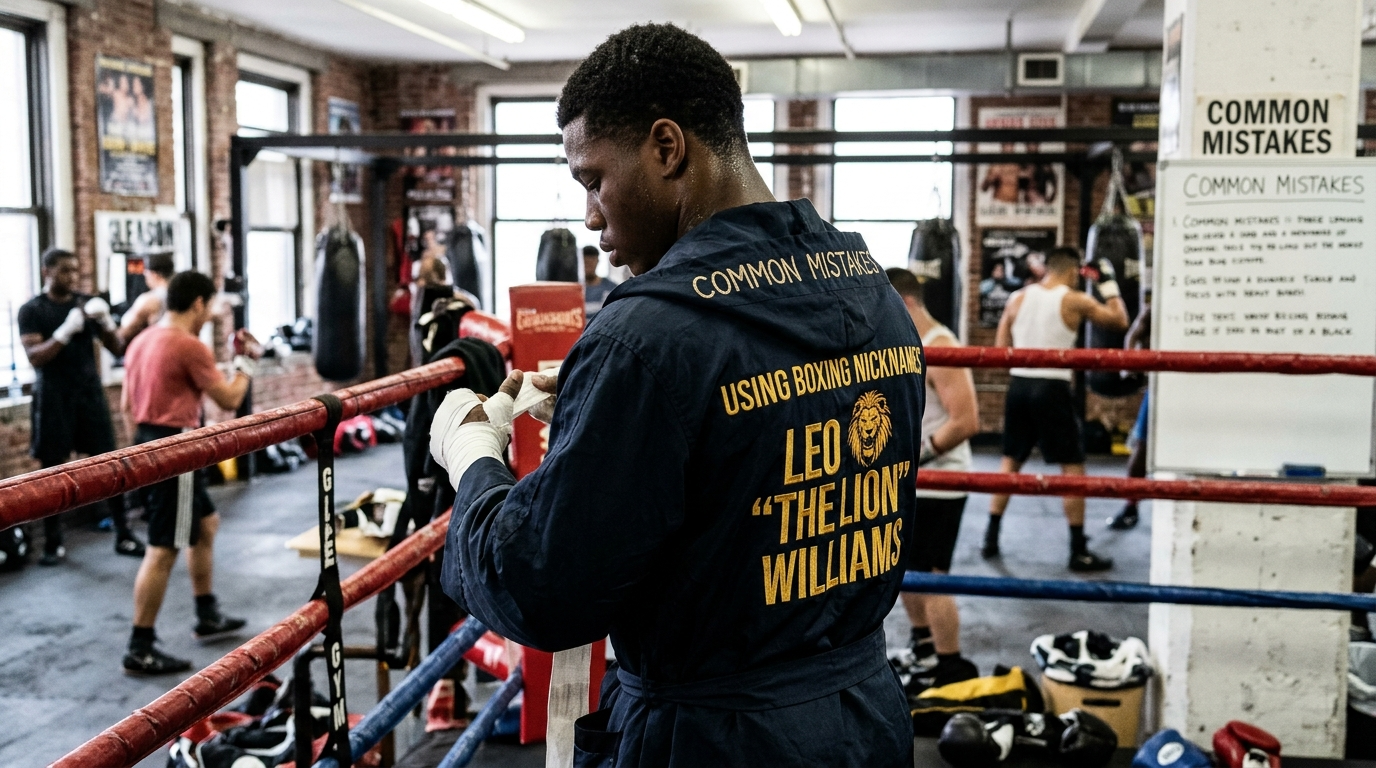
Choosing a nickname can build a fighter’s brand quickly. However, a poor choice can damage credibility just as fast. Many emerging boxers make avoidable mistakes that fans and promoters notice right away.
Overpromising Before Earning Results
A bold nickname sounds exciting, but a title that claims too much invites ridicule. Fans remember when a name promises dominance that never arrives.
For example, a prospect who calls himself “The Unbeatable Emperor” after five amateur bouts sets himself up for doubt. One loss then becomes a headline. As a result, the name turns into a burden instead of a badge.
Best practice: Wait until your record supports the claim. Let consistent wins build the reputation first.
Borrowing a Name Someone Already Owns
Another common error is adopting a nickname tied to a famous champion. Boxing history is full of legendary labels, and reusing one without earning it looks careless.
For instance, “The Greatest” belongs to Muhammad Ali in the minds of most fans. “Iron Mike” is closely linked to Mike Tyson. Using these names invites comparisons you cannot win.
Moreover, a duplicate nickname makes your brand harder to search and remember. In addition, fans may confuse you with the original holder.
Ignoring the Fighter’s Real Story
A nickname works best when it reflects who the fighter truly is. Disconnected names feel artificial, and audiences often sense when a label came from marketing alone.
Consider a southpaw raised on a rural farm who adopts a flashy name about city nightlife. The mismatch weakens trust. In contrast, a name rooted in family tradition or a hometown struggle feels authentic and easier to support.
Practical Tips for Avoiding These Mistakes
Use these checks before you commit to any nickname:
- Research the history: Search boxing archives and news sources to confirm the name is not already famous.
- Test with real people: Ask coaches, training partners, and longtime fans for honest reactions.
- Match your record: Pick a name that can grow alongside your wins.
- Tell the origin story: Explain why the name fits you in interviews and social posts.
- Keep it simple: Choose a name that is easy to spell, pronounce, and remember.
Therefore, short and clear titles tend to travel farther in media coverage and fan conversations.
Final Thoughts on Boxing Royalty and Ring Legacy
Why Boxing King Nicknames Endure
A great nickname often outlives the fighter who earned it. Many fans still say “The Brown Bomber” when they think of Joe Louis. Plenty of casual fans cannot name his opponents, but they remember the title.
Royal nicknames last for three main reasons:
- They capture one clear image. “Iron Mike” suggests power and relentless pressure in just two words.
- They travel easily. Short titles work in headlines, documentaries, and everyday conversation.
- They signal respect. Words like “king” or “champion” tell listeners that a fighter dominated his era.
Therefore, a strong boxing king name can keep a fighter’s story alive for decades. It becomes shorthand for an entire career.
Key Takeaways for Fans and Fighters
Nicknames tell a story, but they work best alongside real achievements. Consider these lessons.
For fans:
- Research the record behind the title before accepting it.
- Watch full fights rather than highlight reels.
- Compare eras fairly, since rules, training, and competition change over time.
For aspiring fighters:
- Earn your identity inside the ring first.
- Keep your persona consistent with your actual style.
- Avoid borrowing a famous title. Fans quickly recognize imitation.
In addition, a nickname should feel natural. Fans usually embrace titles that grow out of a fighter’s personality or fighting style.
Where to Keep Researching Boxing History
Curious readers can explore the sport’s history through several reliable sources:
- The International Boxing Hall of Fame in Canastota, New York, which preserves records, artifacts, and fighter biographies.
- BoxRec, a widely used database for fight results and career records.
- Classic fight footage, including documentaries on Ali, Louis, and Robinson.
- Fighter autobiographies, which often reveal how nicknames began.
Start with one fighter you admire. Then follow the people, fights, and rivalries connected to that career. Each discovery adds context to the crown.
Ready to follow the sport more closely? See the offer and start exploring today.
Thank you for reading our guide about boxing king name.
Frequently Asked Questions
What is a boxing king name?
A boxing king name is a regal or title-based nickname a boxer uses in public, such as “King,” “Prince,” “Emperor,” or “Champion.” Some names are earned through dominance in the ring, while others are chosen by the fighter or a promoter to build an image. A strong boxing king name signals confidence and tells fans what kind of fighter to expect. Because these names are short and memorable, they often stick long after a career ends, becoming part of the sport’s history and a lasting part of a fighter’s reputation.
Which famous boxers earned royal nicknames?
Several well-known boxers carry royal or title-based nicknames. Naseem Hamed, known as “The Prince,” became famous for his flashy style and dramatic ring entrances. Muhammad Ali called himself “The Greatest” and backed up the boast with a heavyweight title won three separate times, along with iconic fights like the “Rumble in the Jungle.” Joe Louis, nicknamed the “Brown Bomber,” held the heavyweight title from 1937 to 1949 and made 25 successful title defenses, a record for heavyweights at the time. Each name reflects a different kind of royalty: style, confidence, or dominance.
How did boxing king titles begin?
Boxing nicknames predate modern gloves and sanctioned rings. In the bare-knuckle era of the 1800s, fighters were often known by their hometown or fighting style, and some were called “champion of England” or “champion of America” based on regional recognition. As organized rules spread, titles became more formal and tied to official weight classes. Media and promoters then amplified these labels. Newspaper headlines, sportswriters, radio announcers, and event posters all used vivid nicknames to make fights exciting and easier to follow, helping regal names become a permanent feature of boxing culture.
How can someone choose a memorable boxing king name?
A memorable boxing king name should be short, rhythmic, and easy to shout from a crowd, since nicknames spread fastest when fans can chant them. It helps to reflect a real aspect of the fighter’s identity, such as a fighting style, hometown pride, or personal character, rather than a name that feels borrowed. Fighters should also avoid names that sound forced or that another champion already owns. Testing the name aloud, checking how it looks on a poster, and making sure it can be backed up with consistent performances all help ensure the title earns respect rather than ridicule over time.