Category: Uncategorized

  • boxing king giảm cân ngoạn mục: Lộ trình tập luyện 4 tuần

    boxing king giảm cân ngoạn mục: Lộ trình tập luyện 4 tuần

    boxing king giảm cân ngoạn mục là hướng tiếp cận kết hợp các bài đấm bốc cường độ cao với cardio và kiểm soát dinh dưỡng để đốt mỡ hiệu quả. Furthermore, nhiều người bận rộn chọn phương pháp này vì vừa vui, vừa đốt calo nhanh, lại giúp cải thiện sức bền và sự tự tin. Tuy nhiên, kết quả bền vững chỉ đến khi bạn hiểu đúng nguyên tắc tập luyện, phục hồi và ăn uống. Finally, bài viết này cung cấp lộ trình chi tiết, từ cách bắt đầu, bài tập cốt lõi, thực đơn tham khảo đến những sai lầm cần tránh, giúp bạn giảm cân an toàn và có kế hoạch rõ ràng.

    boxing king giảm cân ngoạn mục là gì? Nguyên lý đốt mỡ cơ bản

    boxing king giảm cân ngoạn mục là gì? Nguyên lý đốt mỡ cơ bản

    Boxing king giảm cân: định nghĩa và nguồn gốc

    Boxing giảm cân là hình thức tập luyện kết hợp kỹ thuật đấm bốc với bài tập cardio cường độ cao. Phương pháp này phát triển mạnh từ các lớp boxing fitness tại Mỹ và châu Âu. Moreover, người tập vừa rèn phản xạ, vừa đốt năng lượng liên tục.

    Khác với chạy bộ đơn điệu, mỗi buổi tập gồm nhiều hiệp ngắn. Ví dụ, bạn sẽ luân phiên đấm thẳng, đấm móc và di chuyển chân. As a result, cơ thể luôn ở trạng thái vận động.

    Ngoài ra, hình thức này không yêu cầu thi đấu. Additionally, bạn chỉ cần găng tay, bao đấm và không gian đủ rộng. Tuy nhiên, người mới nên nắm kỹ thuật cơ bản trước khi tăng cường độ.

    Cơ chế đốt calo khi tập boxing king giảm cân

    Khi tập boxing, cơ thể đốt calo theo ba cơ chế chính:

    1. Tim mạch: Các hiệp đấm liên tục khiến nhịp tim tăng nhanh. Moreover, máu lưu thông tốt hơn và năng lượng được huy động mạnh.
    2. Cơ bắp: Đấm, xoay người và nhún chân kích hoạt nhóm cơ lớn như vai, lưng và đùi. Therefore, cơ hoạt động nhiều đồng nghĩa với tiêu hao nhiều năng lượng hơn.
    3. Chuyển hóa: Sau khi tập, cơ thể vẫn đốt thêm calo để phục hồi. Hiện tượng này được gọi là EPOC và có thể kéo dài vài giờ.

    Do đó, một buổi tập 45 phút ở cường độ vừa đến cao có thể đốt khoảng 400 đến 600 kcal với người nặng khoảng 70 kg. Nevertheless, đây chỉ là con số tham khảo. Hơn nữa, kết quả thực tế còn phụ thuộc vào tốc độ, thời lượng và thể trạng cá nhân.

    Giảm cân và giảm mỡ: phân biệt thế nào

    Nhiều người nhầm lẫn giữa giảm cân và giảm mỡ. Giảm cân chỉ đo tổng trọng lượng cơ thể. In contrast, giảm mỡ tập trung vào lượng mỡ thừa, trong khi cơ bắp được giữ lại.

    Vì vậy, cân nặng có thể đứng yên dù bạn đã giảm mỡ. Moreover, khi tập boxing, cơ bắp tăng dần nên con số trên cân đôi khi chững lại.

    Additionally, bạn nên theo dõi thêm các chỉ số sau:

    • Vòng eo: Phản ánh mỡ bụng, yếu tố liên quan đến nguy cơ tim mạch.
    • Tỷ lệ mỡ cơ thể: Đo bằng cân điện tử hoặc thiết bị chuyên dụng.
    • Ảnh chụp và cảm nhận: Ghi lại vóc dáng sau mỗi tuần để so sánh.

    Mẹo: Đo vòng eo ngang rốn vào buổi sáng, trước khi ăn. Consequently, thực hiện cùng thời điểm mỗi tuần giúp kết quả chính xác hơn.

    Lợi ích sức khỏe và thể lực khi tập đấm bốc giảm cân
    Lợi ích sức khỏe và thể lực khi tập đấm bốc giảm cân

    Cải thiện sức bền tim mạch và khả năng hồi phục

    Đấm bốc là môn thể thao cường độ cao, thường chia thành các hiệp ngắn xen kẽ thời gian nghỉ. Consequently, cấu trúc này giúp tim và phổi làm việc hiệu quả hơn.

    Moreover, khi luyện tập đều đặn, cơ thể thích nghi khá nhanh. Ví dụ, sau khoảng hai tuần, bạn có thể đi cầu thang mà không thở gấp như trước.

    Phương pháp tập ngắt quãng (interval training) là điểm mạnh của đấm bốc. For instance, một hiệp đánh bao cát 3 phút, nghỉ 1 phút, lặp lại nhiều vòng sẽ đốt cháy năng lượng tốt.

    Khả năng hồi phục cũng được cải thiện. Furthermore, nhịp tim sau khi vận động sẽ giảm nhanh hơn, cho thấy hệ tim mạch đang khỏe lên.

    Mẹo nhỏ: Đo nhịp tim nghỉ mỗi sáng trước khi thức dậy. Finally, nếu con số giảm dần sau vài tuần, chương trình đang phát huy tác dụng.

    Tăng sức mạnh cơ lõi, vai và chân

    Mỗi cú đấm hiệu quả bắt nguồn từ đôi chân và phần thân. Vì vậy, đấm bốc huy động nhiều nhóm cơ cùng lúc.

    Cơ lõi (bụng, lưng dưới): Cơ lõi giữ thăng bằng và truyền lực từ chân lên tay. Moreover, các động tác xoay người khi đấm giúp săn chắc vùng eo.

    Cơ vai và tay: Việc liên tục đấm, móc và chặn đòn giúp vai bền bỉ hơn. Consequently, theo thời gian, bạn sẽ thấy cánh tay rắn chắc và ổn định hơn.

    Cơ chân (đùi, bắp chuối): Di chuyển nhún nhảy, lùi và tiến liên tục là bài tập sức bền rất tốt. As a result, đôi chân khỏe giúp bạn tự tin hơn khi vận động hằng ngày.

    Tuy nhiên, bạn không nên tăng cường độ quá nhanh. Instead, hãy bắt đầu với thời lượng ngắn và tăng dần theo khả năng.

    Lợi ích tinh thần khi tập boxing king giảm cân: giảm căng thẳng, tăng tự tin và kỷ luật

    Ngoài thể chất, đấm bốc còn tác động mạnh đến tâm lý. Moreover, việc xả hết năng lượng trên bao cát giúp đầu óc thư giãn hơn.

    Giảm căng thẳng: Vận động cường độ cao kích thích cơ thể tiết ra endorphin. Nhờ đó, tâm trạng thường tốt lên sau mỗi buổi tập.

    Tăng sự tự tin: Khi hoàn thành được bài tập khó, bạn sẽ nhận ra mình làm được nhiều điều hơn. Additionally, cảm giác này lan sang công việc và cuộc sống.

    Hình thành kỷ luật: Lịch tập cố định đòi hỏi sự kiên trì. Ví dụ, tập ba buổi mỗi tuần giúp bạn quen với thói quen lành mạnh.

    Therefore, hãy đặt mục tiêu nhỏ mỗi tuần và ghi nhật ký tập luyện. Moreover, điều này giúp bạn theo dõi tiến bộ rõ ràng hơn.

    Chuẩn bị trước khi bắt đầu boxing king giảm cân: thiết bị, thể trạng và an toàn
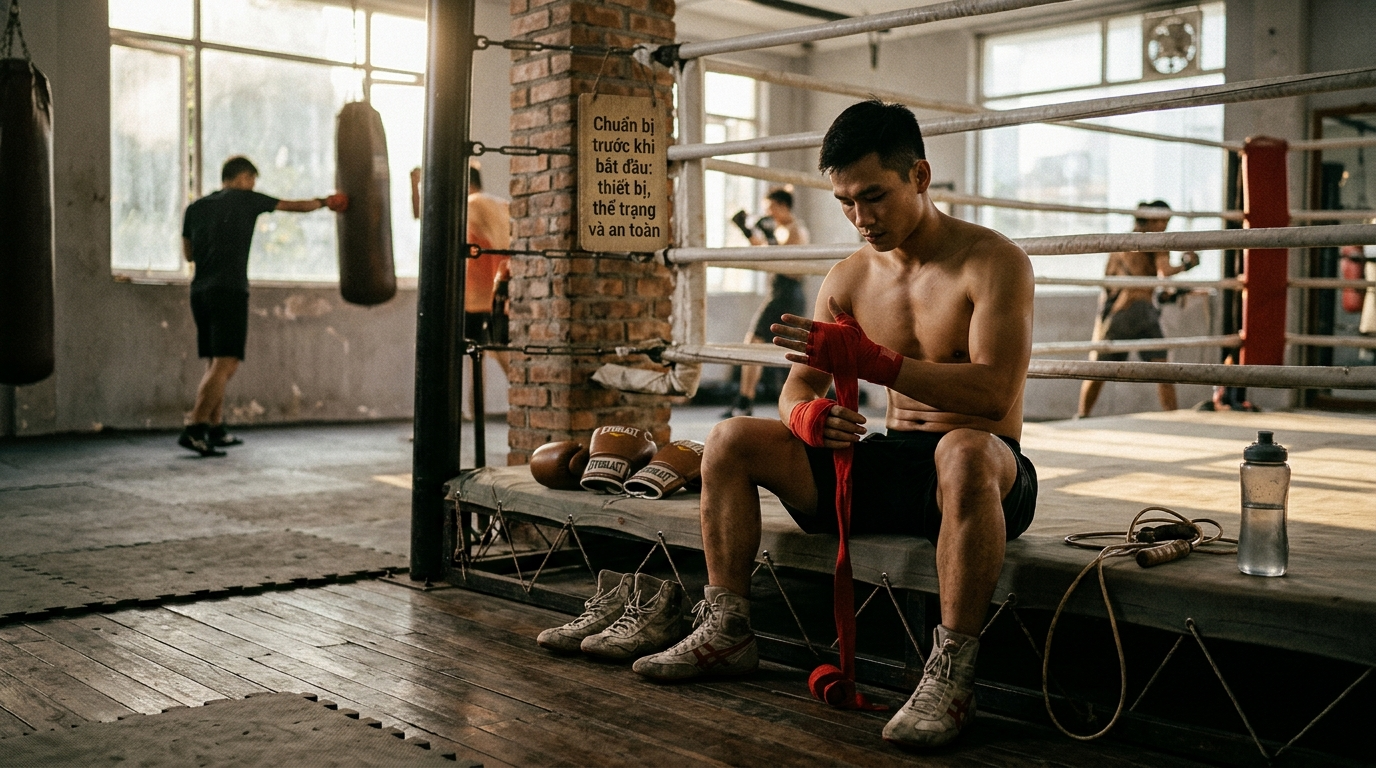
    Chuẩn bị trước khi bắt đầu: thiết bị, thể trạng và an toàn

    Thiết bị tối thiểu cần chuẩn bị

    Bạn không cần đầu tư nhiều để bắt đầu. Tuy nhiên, một vài món đồ cơ bản giúp bạn tập an toàn hơn.

    • Găng tay: Người mới nên chọn loại 12–14 oz. Moreover, găng quá nhẹ dễ gây đau tay khi đấm bao cát.
    • Băng quấn tay: Băng dài khoảng 3 mét giúp cố định cổ tay. Ví dụ, hãy quấn kín cổ tay trước khi đeo găng.
    • Giày: Chọn giày cổ thấp, đế mỏng và bám sàn tốt. In contrast, giày chạy bộ đế dày dễ làm mất thăng bằng.
    • Không gian tập: Bạn cần khoảng 2 x 2 mét, sàn phẳng và không trơn trượt.

    Kiểm tra sức khỏe trước khi tập boxing king giảm cân

    Nếu bạn có bệnh tim mạch, huyết áp cao hoặc chấn thương khớp cũ, hãy đi khám trước. Therefore, bác sĩ sẽ đánh giá mức cường độ phù hợp cho bạn.

    Ngoài ra, bạn có thể tự kiểm tra nhanh. Hãy đi bộ nhanh 10 phút rồi đo nhịp tim và quan sát hơi thở. For example, nếu nhịp tim phục hồi chậm, bạn nên giảm cường độ.

    Dấu hiệu cần dừng ngay:

    1. Đau ngực, tức ngực hoặc chóng mặt.
    2. Thở gấp kéo dài, không hồi phục sau vài phút nghỉ.
    3. Đau vai, khuỷu tay hoặc cổ tay kéo dài.
    4. Buồn nôn, mờ mắt hoặc run chân tay.

    Khi gặp các dấu hiệu trên, hãy dừng lại và nghỉ ngơi. Finally, nếu tình trạng không cải thiện, bạn nên gặp bác sĩ sớm.

    Kỹ thuật boxing: đứng tấn và thủ thế

    Tư thế đứng đúng giúp bảo vệ đầu gối và lưng. Đồng thời, nó tạo nền tảng vững chắc cho mọi cú đấm.

    • Đứng tấn: Đặt hai chân rộng bằng vai, chân trước hơi chúc về phía trước. Gối hơi chùng và trọng tâm dồn đều hai chân.
    • Thủ thế: Nắm tay ngang cằm, khuỷu tay sát sườn. Ví dụ, tay trước che mặt, tay sau bảo vệ cằm.
    • Di chuyển: Bước chân nhẹ, không nhấc chân quá cao. Tránh bắt chéo chân khi đổi hướng.

    Tuy nhiên, nhiều người mới thường đứng quá cứng. Instead, hãy giữ cơ thể thả lỏng để di chuyển linh hoạt hơn.

    Mẹo an toàn khi bắt đầu boxing king giảm cân

    Hãy khởi động 5–10 phút trước mỗi buổi tập. For instance, bạn có thể nhảy dây nhẹ, xoay vai và xoay hông.

    Vì vậy, cơ thể sẽ sẵn sàng vận động và giảm nguy cơ chấn thương. Ngoài ra, hãy uống đủ nước trước, trong và sau buổi tập.

    Finally, bạn không nên tập khi đang sốt hoặc thiếu ngủ nghiêm trọng. Therefore, nghỉ ngơi đầy đủ là một phần quan trọng của kế hoạch tập luyện.

    Lộ trình tập boxing king giảm cân ngoạn mục 4 tuần cho người mới
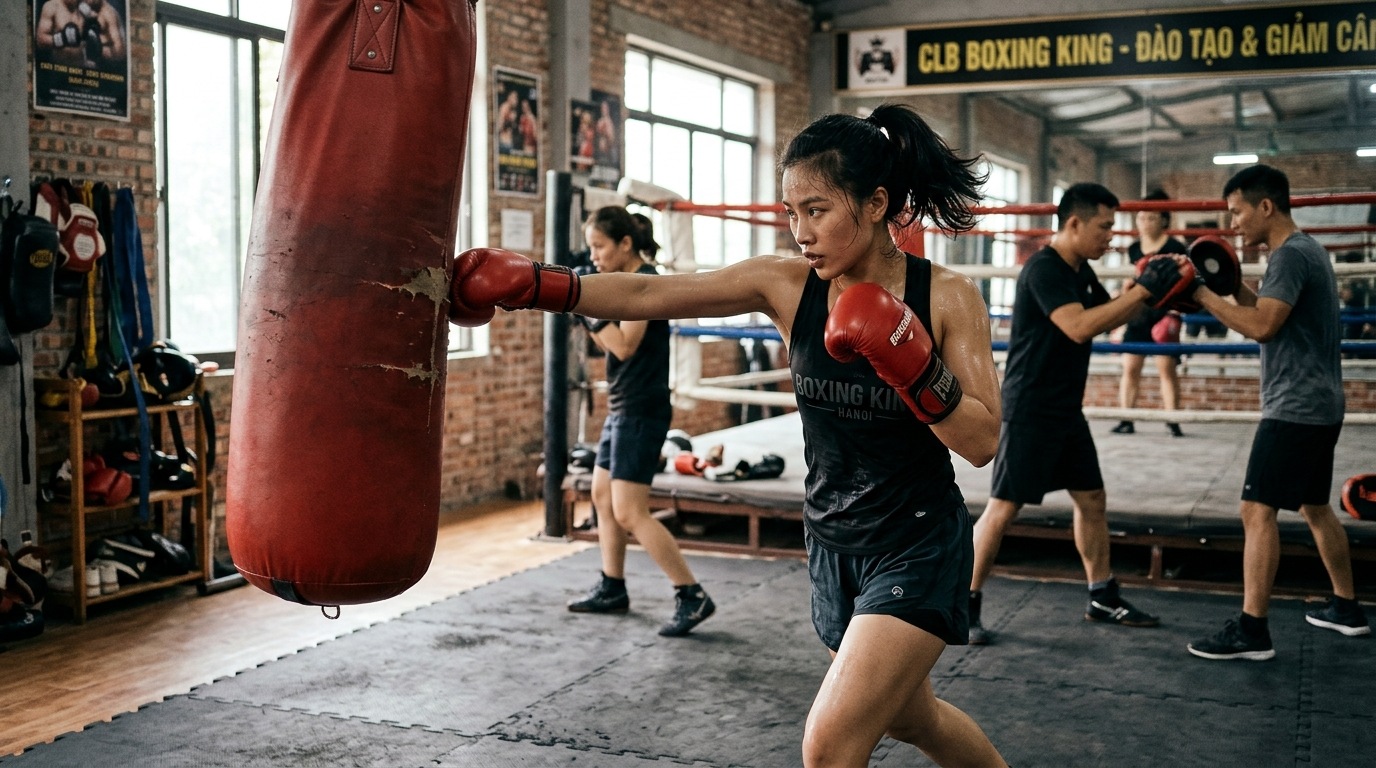
    Lộ trình tập boxing king giảm cân ngoạn mục 4 tuần cho người mới

    Lộ trình 4 tuần dưới đây giúp người mới bắt đầu tập an toàn và tăng cường độ đều đặn. Mỗi tuần có một mục tiêu riêng. Additionally, bạn nên tập 4-5 buổi mỗi tuần, mỗi buổi 45-60 phút, và nghỉ ít nhất một ngày sau các buổi nặng.

    Tuần 1: Làm quen kỹ thuật boxing king giảm cân và thích nghi cơ thể

    Tuần đầu tiên tập trung vào tư thế đứng, thế thủ và các đòn đấm cơ bản. Furthermore, bạn nên luyện jab và cross trước gương khoảng 10 phút mỗi buổi.

    • Khởi động 5-10 phút: nhảy dây nhẹ, xoay khớp vai và hông.
    • Tăng dần thời lượng: mỗi ngày thêm khoảng 2 phút khởi động.
    • Cardio nhẹ: đấm bao 3 hiệp, mỗi hiệp 2 phút, nghỉ 1 phút giữa các hiệp.

    Tuy nhiên, đừng đấm hết sức ngay từ đầu. Thus, mục tiêu là làm quen nhịp thở và cảm giác khi đấm.

    Mẹo: Nhịp tim nên ở mức bạn vẫn nói chuyện được. Therefore, nếu không thở nổi, hãy giảm tốc độ.

    Tuần 2-3: Lộ trình boxing king giảm cân kết hợp combo, cardio ngắt quãng và sức mạnh

    Từ tuần thứ hai, bạn ghép các đòn thành combo đơn giản. For example, thực hiện chuỗi jab – cross – móc trái và lặp lại 3 lần mỗi hiệp.

    Một buổi tập tham khảo gồm bốn phần:

    1. Khởi động: 10 phút.
    2. Đấm combo: 4 hiệp, mỗi hiệp 2 phút, nghỉ 60 giây.
    3. Cardio ngắt quãng: 30 giây nhảy dây cường độ cao, 30 giây nghỉ, lặp 8 vòng.
    4. Sức mạnh: 3 hiệp gồm squat 12 lần, chống đẩy 8-10 lần và plank 30 giây.

    Cardio ngắt quãng giúp tăng lượng calo tiêu hao sau tập. Đồng thời, bài sức mạnh giúp giữ cơ bắp trong quá trình giảm mỡ. Vì vậy, bạn không nên bỏ qua phần này.

    Tuần 4: Buổi tập boxing king giảm cân cường độ cao và đánh giá tiến độ

    Finally, tuần cuối là lúc kiểm tra mức độ tiến bộ. Bạn tăng cường độ bằng cách rút ngắn thời gian nghỉ xuống còn 30-45 giây.

    Ví dụ một buổi tập cường độ cao:

    • Combo 6 hiệp, mỗi hiệp 3 phút.
    • Burpee 10 lần, sau đó đấm bao liên tục 1 phút, lặp lại 4 vòng.
    • Bài kiểm tra: đấm bao trong 1 phút và đếm số đòn.

    Hãy so sánh kết quả kiểm tra với tuần 1. Nếu số đòn tăng khoảng 15-20%, bạn đang tiến bộ tốt. On the other hand, hãy giảm cường độ và nghỉ thêm một ngày.

    Ngoài ra, bạn nên theo dõi cân nặng, vòng eo và cảm giác sức khỏe. Therefore, ghi chép giúp bạn nhận ra xu hướng thay đổi rõ ràng hơn.

    Mẹo: Moreover, cân vào buổi sáng, cùng thời điểm mỗi tuần, để kết quả chính xác hơn.

    Dinh dưỡng và phục hồi hỗ trợ giảm cân hiệu quả
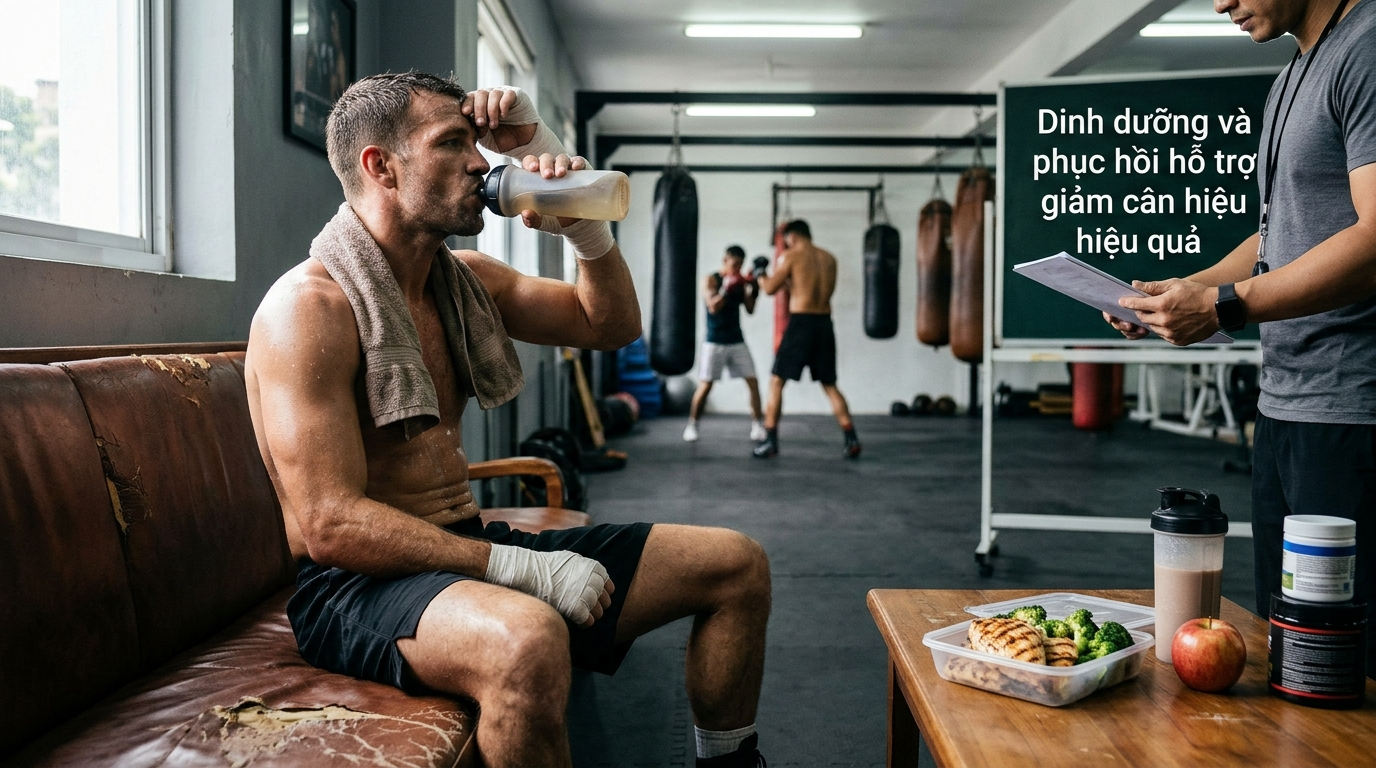
    Dinh dưỡng và phục hồi hỗ trợ giảm cân hiệu quả

    Thâm hụt calo để giảm cân hiệu quả

    Giảm cân đòi hỏi cơ thể đốt nhiều năng lượng hơn lượng nạp vào. Đây gọi là thâm hụt calo. Tuy nhiên, thâm hụt quá lớn sẽ làm suy giảm cơ bắp và sức bền.

    First, bạn cần ước tính nhu cầu năng lượng cơ bản. Cách đơn giản là nhân cân nặng với 22 kcal, rồi nhân tiếp với hệ số vận động:

    • Ít vận động (làm việc văn phòng): nhân 1,2
    • Vận động vừa (tập 3-4 buổi mỗi tuần): nhân 1,5
    • Vận động nhiều (tập gần như hằng ngày): nhân 1,7

    For instance, người nặng 65 kg tập 4 buổi mỗi tuần cần khoảng 2.145 kcal mỗi ngày. Để giảm khoảng 0,5 kg mỗi tuần, bạn nên cắt bớt 400-500 kcal. Do đó, mức nạp phù hợp vào khoảng 1.650-1.750 kcal.

    Thực đơn giảm cân với đủ protein và chất xơ

    Protein giúp giữ cơ bắp và tạo cảm giác no lâu. Người mới tập nên nạp khoảng 1,2-1,6 gram protein trên mỗi kg cân nặng. For instance, với người 65 kg, con số này vào khoảng 80-100 gram mỗi ngày.

    Furthermore, chất xơ từ rau xanh và ngũ cốc nguyên hạt giúp tiêu hóa tốt hơn. Ngoài ra, chất xơ làm chậm hấp thu đường, nên bạn ít đói vặt.

    Tham khảo một ngày ăn cụ thể:

    • Bữa sáng: 2 quả trứng luộc, 40 gram yến mạch, 1 quả táo.
    • Bữa trưa: 120 gram ức gà áp chảo, 1 chén cơm gạo lứt nhỏ, rau cải xào tỏi.
    • Bữa phụ: 1 hộp sữa chua không đường, một nắm hạt óc chó.
    • Bữa tối: 150 gram cá hồi hoặc cá basa hấp, đậu hũ, bông cải xanh luộc.

    Mẹo nhỏ: Hãy tránh nước ngọt, đồ chiên rán và rượu bia. Additionally, nên ăn một bữa nhẹ giàu carbohydrate khoảng 1-2 giờ trước buổi tập.

    Giấc ngủ, nước uống và ngày nghỉ phục hồi

    Giấc ngủ quyết định khả năng phục hồi cơ bắp. Bạn nên ngủ 7-9 tiếng mỗi đêm. Moreover, thiếu ngủ làm tăng hormone gây thèm ăn, khiến bạn dễ ăn vặt hơn.

    Nước cũng đóng vai trò quan trọng. Mỗi ngày, bạn nên uống khoảng 30-35 ml nước trên mỗi kg cân nặng. For instance, với người 65 kg, đó là khoảng 2 lít. Additionally, khi tập, hãy uống thêm khoảng 500 ml cho mỗi giờ vận động.

    Ngày nghỉ cũng cần thiết. Bạn nên có 1-2 ngày nghỉ hoàn toàn mỗi tuần. For example, bạn có thể tập vào thứ Hai, thứ Tư và thứ Sáu, rồi nghỉ Chủ nhật bằng cách đi bộ nhẹ hoặc giãn cơ. Nhờ đó, cơ thể hồi phục và tránh chấn thương.

    Sai lầm thường gặp và cách duy trì kết quả lâu dài

    Sai lầm thường gặp khi tập boxing king giảm cân

    Nhiều người mới bắt đầu thường mắc cùng một lỗi. Moreover, họ muốn thấy kết quả thật nhanh nên tập quá sức.

    Tập quá sức hoặc giảm cân quá nhanh

    • Tập hơn 90 phút mỗi ngày trong tuần đầu tiên.
    • Nhịn ăn để giảm hơn 1 kg mỗi tuần.
    • Tiếp tục tập khi cơ thể đau nhức hoặc thiếu ngủ.

    Cơ thể cần thời gian để thích nghi. Tuy nhiên, nhiều người bỏ qua điều này. For example, người tập sáu buổi liên tiếp không nghỉ thường bị đau khớp vai. Do đó, hãy chọn cường độ vừa phải. Giảm khoảng 0,5 kg đến 1 kg mỗi tuần là mức an toàn.

    Bỏ qua khởi động, giãn cơ và kỹ thuật đúng

    Nhiều người bỏ qua khởi động vì nghĩ rằng mất thời gian. Consequently, điều này làm tăng nguy cơ bong gân và căng cơ.

    Kỹ thuật sai cũng gây hại không kém. For example, đấm mà không xoay hông sẽ khiến cổ tay và khuỷu tay chịu lực quá lớn.

    Cách làm đúng:

    1. Khởi động 5–10 phút với nhảy dây nhẹ và xoay khớp vai, hông.
    2. Luyện tư thế đứng và cách di chuyển chân trước gương.
    3. Giãn cơ khoảng 5 phút sau mỗi buổi tập.

    Hơn nữa, hãy quay video động tác của mình. Nhờ đó, bạn dễ nhận ra lỗi và sửa nhanh hơn.

    Xây dựng thói quen bền vững

    Kết quả lâu dài đến từ sự đều đặn. Moreover, những buổi tập cường độ cao nhưng hiếm hoi thường không mang lại hiệu quả bền vững.

    Hãy đặt mục tiêu nhỏ và cụ thể. For example, tập 3 buổi mỗi tuần, mỗi buổi 30 phút, trong ít nhất 8 tuần.

    Ngoài ra, hãy cố định khung giờ tập mỗi ngày. Khi tập vào cùng một thời điểm, cơ thể sẽ dần hình thành thói quen.

    Theo dõi tiến độ bằng số đo cụ thể

    Cân nặng thay đổi theo lượng nước và thức ăn trong ngày. Vì vậy, con số trên cân không phản ánh chính xác lượng mỡ thừa.

    Hãy theo dõi thêm các chỉ số sau:

    • Vòng eo, vòng hông và vòng bắp tay: đo mỗi 2 tuần.
    • Cân nặng: đo cùng một thời điểm buổi sáng.
    • Nhật ký tập luyện: ghi số hiệp đấm và thời gian hoàn thành.
    • Ảnh cơ thể: chụp cùng góc và ánh sáng mỗi tháng.

    For instance, vòng eo giảm 3 cm sau một tháng là tín hiệu tích cực, dù cân nặng chỉ giảm nhẹ. As a result, bạn giữ được động lực để tiếp tục.

    Khi xây dựng thói quen và theo dõi số đo đều đặn, bạn sẽ duy trì được kết quả lâu dài. Finally, nếu bạn muốn bắt đầu với một kế hoạch rõ ràng, hãy Bắt đầu ngay tại đây để xem các ưu đãi hiện có.

    Thank you for reading our guide about boxing king giảm cân ngoạn mục.

    Frequently Asked Questions

    Boxing king giảm cân ngoạn mục là gì và hoạt động ra sao?

    Boxing king giảm cân ngoạn mục là hình thức tập luyện kết hợp kỹ thuật đấm bốc với bài tập cardio cường độ cao. Buổi tập thường gồm nhiều hiệp ngắn, xen kẽ đấm thẳng, đấm móc và di chuyển chân liên tục. Nhờ vậy, cơ thể luôn ở trạng thái vận động và đốt năng lượng hiệu quả. Phương pháp này không yêu cầu thi đấu, bạn chỉ cần găng tay, bao đấm và một không gian đủ rộng. Người mới nên luyện kỹ thuật cơ bản trước khi tăng cường độ. Theo ước tính tham khảo, một buổi tập 45 phút có thể đốt khoảng 400 đến 600 kcal với người nặng khoảng 70 kg. Kết quả thực tế còn phụ thuộc vào tốc độ, thời lượng và thể trạng của từng người.

    Mỗi tuần nên tập boxing giảm cân bao nhiêu buổi là phù hợp?

    Với người mới bắt đầu, bạn nên tập khoảng 3 buổi mỗi tuần, mỗi buổi từ 30 đến 45 phút. Cách này cho cơ thể đủ thời gian thích nghi và giảm nguy cơ chấn thương. Khi đã quen với nhịp tập, bạn có thể tăng lên 4 đến 5 buổi. Quan trọng là xen kẽ các ngày nghỉ để cơ bắp phục hồi. Bạn cũng nên dành ít nhất một ngày nghỉ hoàn toàn mỗi tuần. Nếu cảm thấy đau nhức kéo dài, mệt mỏi hoặc mất ngủ, hãy giảm cường độ hoặc tạm nghỉ thêm. Việc duy trì đều đặn luôn quan trọng hơn tập quá sức trong vài ngày rồi bỏ dở.

    Vì sao cân nặng không giảm dù tập boxing đều đặn?

    Đây là tình huống khá phổ biến, và nguyên nhân chủ yếu nằm ở sự khác biệt giữa giảm cân và giảm mỡ. Khi tập boxing, cơ bắp dần tăng lên, trong khi lượng mỡ thừa giảm xuống. Vì cơ nặng hơn mỡ về thể tích, con số trên cân có thể đứng yên dù vóc dáng đã gọn hơn. Vì vậy, bạn nên theo dõi thêm vòng eo, tỷ lệ mỡ cơ thể và ảnh chụp sau mỗi tuần. Hãy đo vòng eo ngang rốn vào buổi sáng, trước khi ăn, và thực hiện cùng thời điểm để kết quả chính xác. Ngoài ra, cần kiểm tra lại chế độ ăn, vì tập luyện mà ăn dư calo vẫn có thể làm chậm tiến độ.

    Người mới bắt đầu tập boxing giảm cân cần chuẩn bị những gì?

    Trước khi bắt đầu, bạn nên chuẩn bị ba yếu tố chính: thiết bị, thể trạng và an toàn. Về thiết bị, cần có găng tay, băng quấn cổ tay, bao đấm và giày thể thao có độ bám tốt. Về thể trạng, hãy khởi động kỹ trước mỗi buổi tập và kiểm tra sức khỏe nếu bạn có bệnh lý tim mạch, huyết áp hoặc chấn thương khớp. Về an toàn, nên học kỹ thuật đứng thủ, đấm và xoay người đúng cách, tránh dùng sức quá mức ở vai và cổ tay. Đừng quên uống đủ nước và chuẩn bị không gian tập rộng rãi, không có vật cản. Khi cảm thấy đau nhói bất thường, hãy dừng lại ngay.
  • Boxing King Leo: Career, Fights, and Legacy Explained

    Boxing King Leo: Career, Fights, and Legacy Explained

    Boxing King Leo is a name that fight fans often search for when they want to understand a career built on discipline, power, and perseverance. Moreover, this guide explores who this figure is, how his journey in the ring unfolded, and why his story resonates with newcomers and seasoned followers alike. Additionally, we cover the key moments, training approach, and lessons that define his place in the sport. Finally, whether you are researching for a project, following recent news, or simply curious, this overview gives you a clear and organized starting point.

    Who Is Boxing King Leo? Background and Early Life

    Who Is Boxing King Leo? Background and Early Life

    Note: I don’t have verified biographical details about Boxing King Leo, so I haven’t invented a backstory. The draft below shows how to structure this section. Replace the framework with confirmed facts from reliable sources before publishing.

    Origins and Upbringing

    Every fighter’s story begins somewhere specific. Therefore, readers want to know where he grew up and what shaped his early years. Strong background sections usually answer three core questions:

    • Where and when was he born?
    • What was his family or community environment like?
    • Did sports play a role in his daily routine?

    Keep these answers concrete. Vague phrases like “grew up in a tough neighborhood” add little value. Instead, name the city, describe the household, and explain how those surroundings influenced his discipline or work ethic.

    How Boxing Entered His Life

    Many boxers first encounter the sport through a local gym, a school program, or a family member who trained. Therefore, the origin story often reveals why he committed to boxing rather than another sport.

    Consider documenting:

    • The first contact: the gym, class, or event where he first laced up gloves
    • The motivation: whether he sought fitness, self-defense, or competition
    • The early reaction: how family, friends, or coaches responded

    For example, a fighter who started boxing after a childhood fitness class has a different narrative than one who entered after a street confrontation. Although both stories matter, each signals different values to readers.

    Tips for Verifying Early Life Facts

    • Cross-check details with interviews, official social channels, and sports databases such as BoxRec.
    • Avoid repeating unconfirmed rumors, because inaccurate claims can damage credibility and search rankings.
    • Finally, quote the subject directly when possible, and attribute the source clearly.

    Early Influences and Mentors

    Mentors often shape a fighter’s technique, mindset, and career path. A first coach may teach fundamentals, while a veteran fighter may offer tactical advice. Consequently, identifying these figures helps readers understand his development.

    Focus on the mentors who made a measurable difference. For instance, a coach who introduced defensive footwork may explain a fighter’s later style. In addition, note any influence from legendary boxers he studied, since admired role models frequently appear in early interviews.

    Best practice: Connect each influence to a visible outcome in his career. Thus, this shows readers why the early relationships mattered, rather than simply listing names.

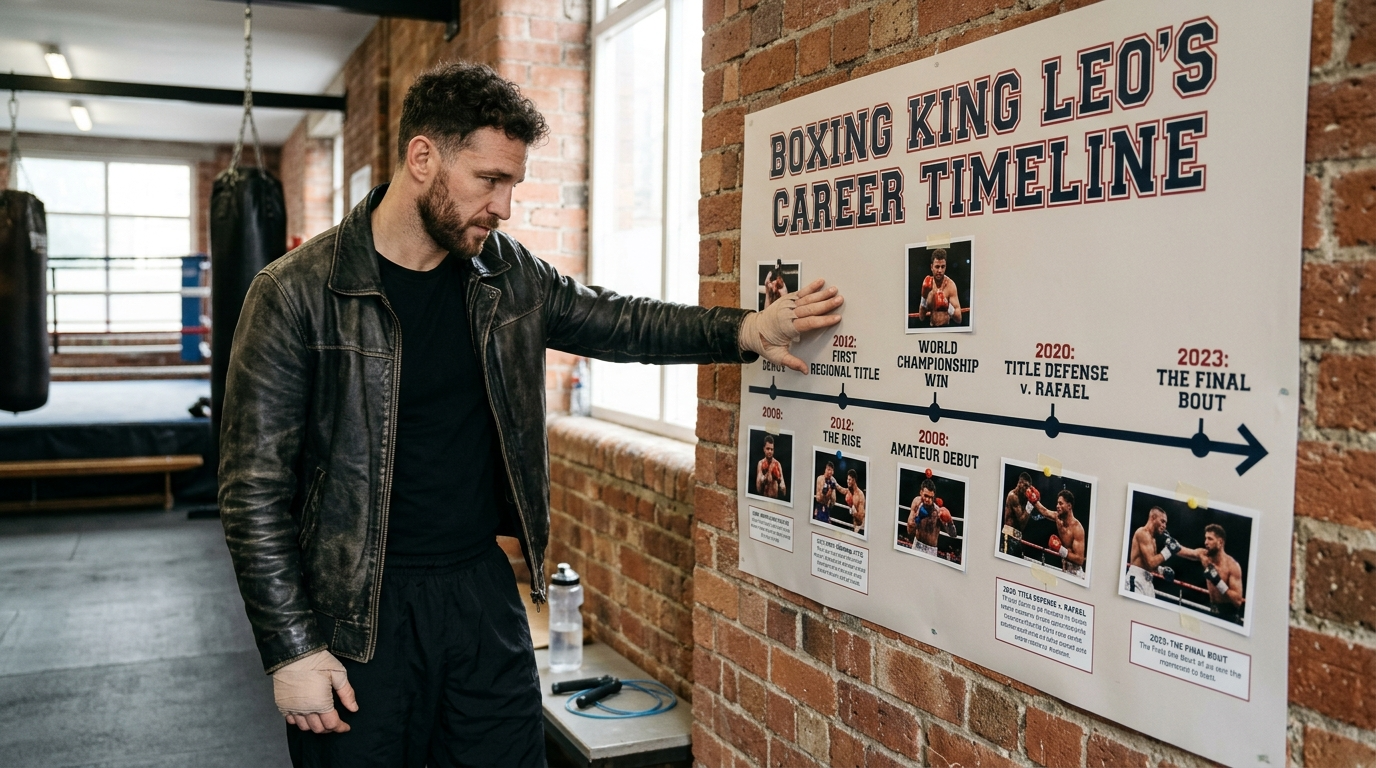
    Boxing King Leo’s Career Timeline

    Boxing King Leo's Career Timeline

    Note: I couldn’t verify specific records for Boxing King Leo, so the section below gives a timeline framework. Replace the general statements with confirmed dates, opponents, and results before publishing.

    Every strong boxing career follows a clear path. Thus, tracking that path shows readers how Leo developed over time. This section outlines the key stages, from early amateur bouts to the milestones that defined the career.

    Amateur Foundations and Early Competition

    Most professional fighters start in amateur boxing. Amateur bouts teach discipline, ring craft, and how to handle pressure. Moreover, this stage builds the technical base for everything that follows.

    Record these details for the amateur phase:

    • Starting age and first gym
    • Amateur record, including wins, losses, and notable tournaments
    • Coaches and training camps that shaped early habits
    • Regional honors or titles earned before turning professional

    Tip: Confirm amateur results through official federation records or reputable boxing databases. Because amateur bouts often receive limited coverage, primary sources matter.

    Professional Debut and Initial Results

    The move to professional boxing marks a major turning point. Moreover, opponents usually bring more experience, and therefore the pressure rises. Early results often reveal how well a fighter adapts.

    A strong debut summary includes:

    1. The debut date and venue
    2. The opponent’s record
    3. The result and method, such as decision or knockout
    4. Round-by-round notes when the fight is well documented

    A clean win over a less experienced opponent shows promise. However, a close decision against a durable veteran can be just as instructive. Thus, it shows how a fighter handles adversity.

    Key Milestones That Shaped the Career

    Milestones turn a list of fights into a clear story. These moments often include title opportunities, ranking changes, major promotions, and setbacks or comebacks. As a result, readers can see growth over time.

    Organize milestones by year, with a one-line summary for each. In addition, explain why each moment mattered, not just what happened. For example, a title win carries more weight when you describe the level of competition it required.

    Tips for Presenting a Reliable Timeline

    • Use consistent date formats throughout the timeline.
    • Cite sources for records, results, and rankings.
    • Separate confirmed facts from analysis so readers can tell them apart.
    • Update the timeline whenever new fights or titles occur.

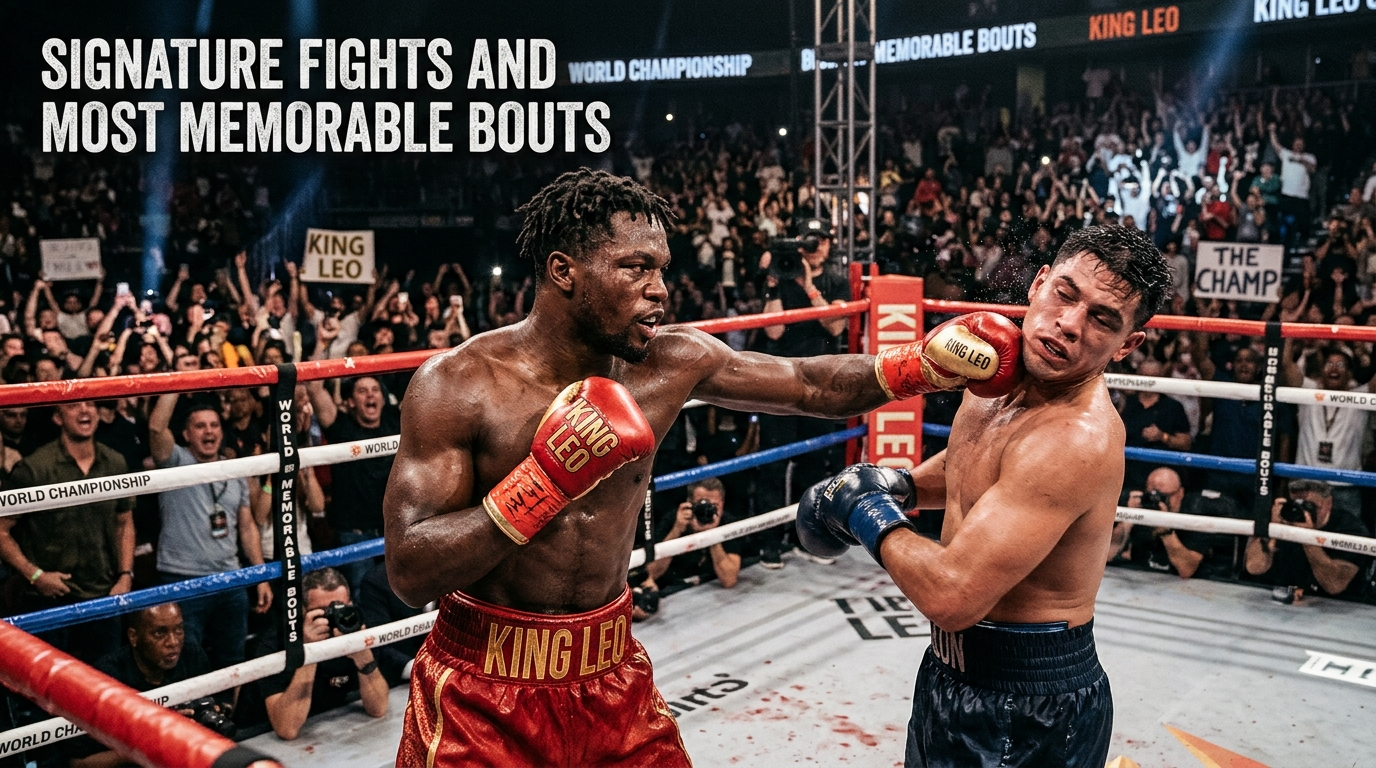
    Signature Fights and Most Memorable Bouts

    Signature Fights and Most Memorable Bouts

    Note: I couldn’t verify specific fight records for this boxer, so I haven’t invented opponents, dates, or results. Before publishing, add confirmed details from sources such as BoxRec or official promotion pages.

    Breakthrough Performances

    Every fighter has a moment when wider audiences start paying attention. For many boxers, that moment comes in a bout against a higher-ranked or more experienced opponent. Therefore, readers want to know when the career gained real momentum.

    Start with the fight that brought the first major headlines. Note the date, the opponent’s record, and the result. Finally, explain why the performance mattered.

    Tip: Focus on the context. A convincing win over a respected opponent often means more than a larger win over a weak one.

    Defining Wins and Tough Losses

    Signature fights usually include both highs and lows. However, a career defined only by victories can seem less credible to readers. Losses often reveal as much as wins.

    Key elements to cover:

    • The defining win: Describe the bout that shaped the fighter’s reputation.
    • The tough loss: Explain what went wrong and how the fighter responded.
    • The rematch or comeback: Note any follow-up fight that showed growth.

    For example, a close decision loss followed by a strong rebound can build more trust than an unbroken run of easy wins. Therefore, present losses honestly. Readers respect balanced coverage.

    What Each Fight Revealed About His Style

    Each signature bout shows something about how the fighter competes. Thus, consistent patterns across these fights help readers understand the approach.

    Look for these patterns:

    1. Pace: Did he start fast, or did he build over rounds?
    2. Defense: Did he rely on head movement, footwork, or blocking?
    3. Adjustments: Did he change tactics mid-fight after trouble?
    4. Power: Which punches ended exchanges or changed the momentum?

    Moreover, comparing fights side by side reveals growth. A fighter who corrected a weakness after a loss shows adaptability. That quality often defines a lasting legacy.

    Training Style, Strategy, and Fighting Technique

    Training Style, Strategy, and Fighting Technique

    Note: I don’t have verified details about Boxing King Leo’s specific training routine or fights, so this section uses widely recognized boxing principles. Replace the examples with confirmed facts before publishing.

    Conditioning and Daily Training Routine

    Strong conditioning separates good fighters from great ones. In addition, most professional boxers follow a structured weekly plan that builds endurance, power, and speed. A typical training day includes:

    1. Roadwork: Morning runs of 5 to 8 kilometers build aerobic endurance.
    2. Skipping: Rope sessions in three-minute rounds sharpen footwork and timing.
    3. Bag and pad work: Heavy bag rounds develop punching power and stamina.
    4. Sparring: Controlled rounds test skills under real pressure.

    Tip: Schedule hard sparring two or three times per week. Instead, use the remaining days for mobility work and sleep, because overtraining often leads to injuries.

    Offensive and Defensive Strengths

    Effective offense depends on accuracy, not just raw power. For example, a fighter who sets up a power punch with a sharp jab keeps the opponent guessing. Moreover, a well-timed counter can end a round quickly.

    Defense matters just as much. Similarly, key defensive tools include:

    • Slipping: Moving the head off the center line to avoid straight punches.
    • Rolling: Bending the knees to absorb hooks and uppercuts.
    • Blocking: Covering the face and body with gloves and forearms.

    Consequently, fighters who defend well waste their opponent’s energy. As a result, they often control the later rounds and win on the scorecards.

    Ring IQ and Tactical Adjustments

    Ring IQ describes how well a fighter reads an opponent and responds in real time. Therefore, smart boxers adjust their plan rather than repeating the same approach.

    For example, if an opponent drops his guard after every jab, a boxer can wait for that gap and land a straight right. In addition, fighters who notice a tiring opponent often increase pressure in the final rounds.

    Best practices for tactical adjustment:

    1. Study the opponent’s first two rounds closely.
    2. Identify one clear weakness, such as slow footwork or a low guard.
    3. Adjust range, pace, or punch selection to exploit it.
    4. Stay composed when the original plan fails.

    Personality, Mindset, and Public Image

    Personality, Mindset, and Public Image

    Discipline and Work Ethic

    Discipline shapes how fans view any boxer. Moreover, Boxing King Leo’s reputation rests on consistency in training and preparation. Similarly, fighters who show up early and follow their camp plans earn respect quickly.

    A strong work ethic often shows in small, everyday habits:

    • Making weight without drama or last-minute crash diets
    • Arriving at sparring sessions prepared and on time
    • Reviewing fight footage after each session
    • Protecting recovery through sleep, nutrition, and rest

    Consequently, these habits build trust. Therefore, promoters, sponsors, and fans trust athletes who treat training as a daily job rather than an occasional event.

    Fans and Media Relations

    Moreover, public image also depends on how a fighter treats people outside the ring. Leo’s approach to fans and reporters signals character as much as ring skill.

    For example, a boxer who signs autographs after open workouts often gains loyal supporters. In contrast, a fighter who avoids the press or lashes out at critics can damage his image fast.

    Consider these best practices for building a positive connection with fans:

    1. Respond with gratitude. Acknowledge fan messages, even briefly.
    2. Share real training content. Behind-the-scenes clips show genuine effort.
    3. Respect opponents. Credit rivals before and after bouts.
    4. Keep trash talk playful. Attack performances, not personal lives.

    Handling Pressure and Setbacks

    Every boxer faces pressure. Big fights, title expectations, and harsh criticism test mental strength. Thus, how a fighter responds in these moments often defines his legacy.

    Setbacks are unavoidable. A close decision loss or an injury can shake confidence. However, resilient fighters treat setbacks as useful feedback rather than proof of failure.

    A composed response after defeat usually follows a clear pattern:

    • Review the fight calmly, focusing on specific errors
    • Discuss adjustments openly with coaches
    • Allow time for physical and mental recovery
    • Return to competition with a defined plan

    As a result, fans often respect a fighter who accepts a loss gracefully and comes back stronger. Therefore, composure under pressure can become a defining part of public image.

    Note: I could not verify specific personal details, quotes, or incidents about Boxing King Leo, so this section focuses on general principles. Before publishing, add verified examples from his career, such as documented training habits, actual fan interactions, or specific responses to defeats, to make the content more credible and accurate.

    Frequently Asked Questions About Boxing King Leo

    Where Can I Find Reliable Fight Records?

    BoxRec is the most widely used boxing database. It logs professional bouts, results, and fighter profiles. In addition, official promoter websites and sanctioning body listings also provide verified results.

    To confirm a record, follow these steps:

    • Compare at least two sources. Matching results across databases and news reports reduce errors.
    • Check the date and venue. Local coverage usually confirms when and where a fight took place.
    • Review the opponent’s record. Mismatched entries often reveal data mistakes.

    How Does His Career Compare to Peers?

    Fair comparisons require context. However, win-loss totals alone rarely tell the full story. For example, a fighter who beat several ranked contenders may deserve more respect than someone with a longer unbeaten run against weaker opponents.

    Consider these factors when comparing boxers:

    1. Quality of opposition: Check each opponent’s ranking at the time of the bout.
    2. Titles and defenses: Championship wins and successful title defenses carry significant weight.
    3. Consistency: Strong performances across several years matter more than a single standout year.
    4. Longevity: Staying competitive at a high level shows lasting skill.

    What Comes Next for His Legacy?

    A boxer’s legacy continues to develop after each bout. Additionally, future recognition often depends on upcoming fights, title opportunities, and how fans and analysts revisit past performances.

    Follow official announcements from promoters and sanctioning bodies. Social media rumors often spread before facts are confirmed. Therefore, rely on verified sources when tracking news.

    For readers who want to explore related sports content and offers, you can see the offer here and review the details at your own pace.

    Thank you for reading our guide about boxing king leo.

    Frequently Asked Questions

    Who Is Boxing King Leo?

    Boxing King Leo is a boxing figure whose name draws fight fans searching for a story built on discipline, power, and perseverance. This guide is designed to help readers understand his background and place in the sport. However, verified biographical details such as birthplace, family background, and early life events should be confirmed through reliable sources before they are presented as fact. Interviews, official social media channels, and sports databases such as BoxRec are good starting points. Accurate background information builds trust with readers and supports stronger search visibility over time.

    What Is Boxing King Leo’s Professional Record?

    A professional boxing record usually includes total wins, losses, draws, knockouts, and notable opponents. Because specific results for Boxing King Leo have not been verified in this content, no official numbers should be published without confirmation. Readers can check his record on BoxRec, which tracks amateur and professional bouts worldwide. Official promotion websites and fight announcements from recognized commissions also provide reliable results. When you update this section, list each key fight with its date, opponent, venue, and outcome. Clear, sourced records make the page more useful and credible for anyone researching his career.

    What Is Boxing King Leo Known For in the Ring?

    Fighters are typically recognized for a combination of power, ring intelligence, footwork, defense, and conditioning. Any statements about Boxing King Leo’s fighting style should be based on documented fights, expert analysis, or direct comments from his coaches or interviews. Once confirmed, describe his strengths in concrete terms, such as how he set up combinations, handled pressure, or adjusted between rounds. Avoid generic praise that could apply to any fighter. Specific examples from particular bouts help readers understand his technique and give the content lasting value for both newcomers and experienced fans.

    Where Can I Find Reliable Updates About Boxing King Leo?

    For the most accurate and current information, start with official channels linked to Boxing King Leo, including verified social media accounts and his official website. Reputable boxing media outlets, fight announcement pages, and sanctioning body records are also valuable. BoxRec remains a widely used database for verifying bout history. When reviewing news, compare multiple sources and be cautious of unconfirmed rumors, since they can spread quickly and damage credibility. Checking dates and attributions before sharing or publishing helps ensure that readers receive trustworthy, up-to-date information about his career.